

The U.S. economy is experiencing a period of significant change, influenced by various domestic and international factors. Recent data indicates a complex picture that affects both national policy and individual households.
Economic Growth and Employment
According to the International Monetary Fund (IMF), the U.S. economy is projected to grow by 2.4% in the fourth quarter of 2026, an increase from 2.2% in the previous year. Unemployment rates are also expected to decline from 4.5% in late 2025 to 4.1% in 2026. These figures suggest a resilient economy with a strengthening labor market.
Inflation and Consumer Prices
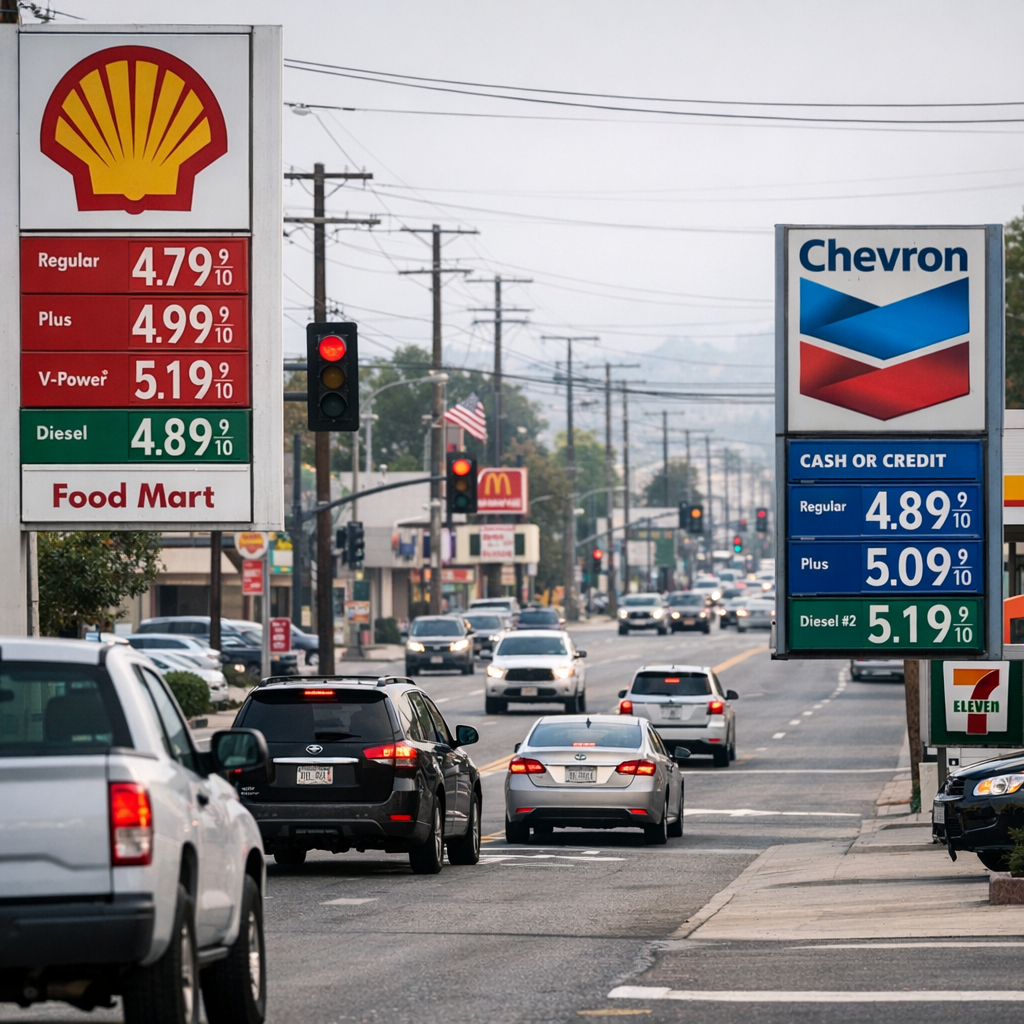
Inflation remains a concern, with rates rising to 3.8% in April, the highest in three years. This uptick is partly attributed to increased energy costs following geopolitical tensions in the Middle East, particularly the conflict with Iran that began in February. The closure of the Strait of Hormuz has led to a surge in energy prices, with national average gas prices exceeding $4.50 per gallon and some states experiencing prices above $5.
Public Sentiment and Policy Implications
A recent CBS News/YouGov poll reveals that 70% of Americans feel “angry” or “frustrated” about the current administration’s handling of the economy. Only 11% expressed enthusiasm, and 19% reported satisfaction. This public dissatisfaction may influence upcoming midterm elections and shape future economic policies.
Local Impact
For residents of Woodbury, Minnesota, these national trends have tangible effects. Rising fuel prices can increase commuting costs, while inflation may impact the affordability of goods and services. Staying informed about these developments is crucial for making informed personal and financial decisions.
Understanding the broader economic context helps us navigate the challenges and opportunities that lie ahead. As the situation evolves, staying engaged with reliable news sources will be essential for adapting to the changing economic landscape.