

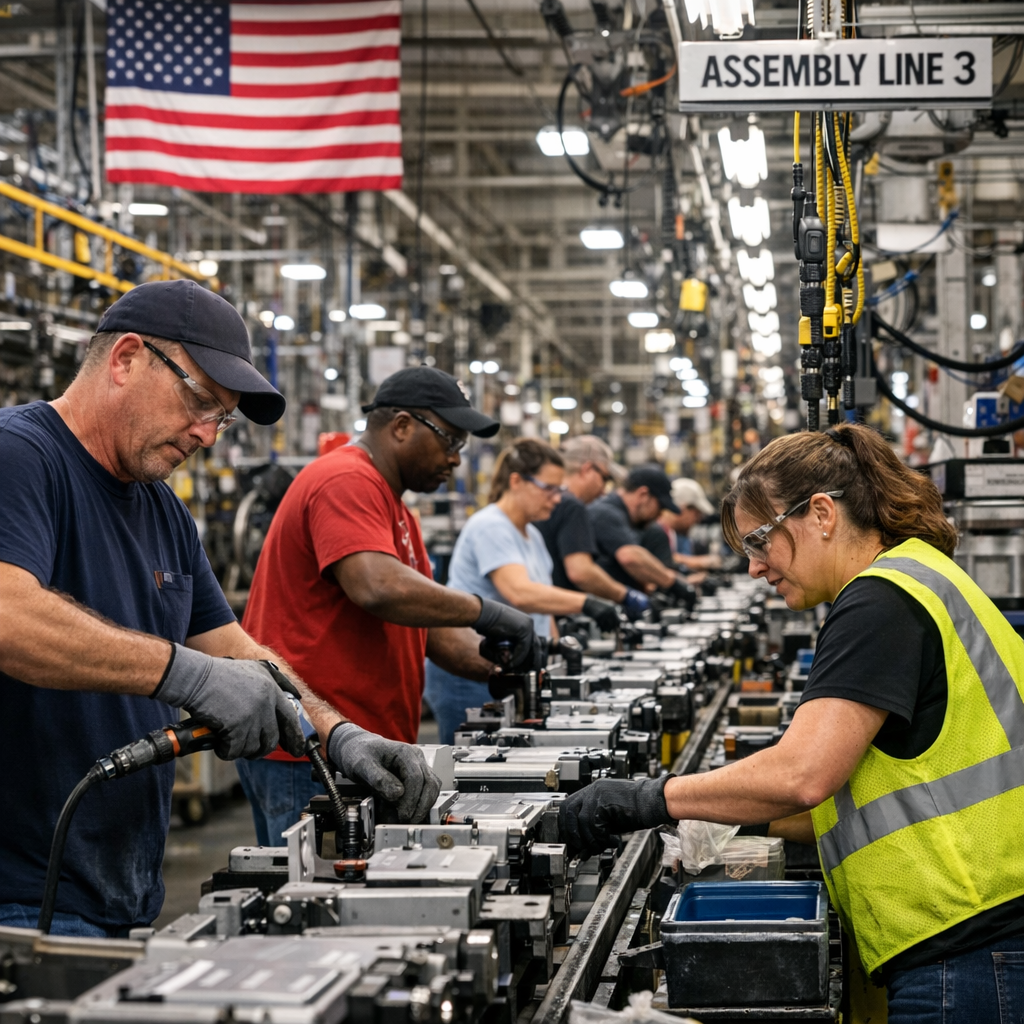
The United States economy is currently experiencing a complex interplay of factors influencing its trajectory. Key areas of focus include inflation rates, employment statistics, and trade policies.
Inflation Trends
Inflation has been a significant concern, with recent data indicating a slowdown. The consumer price index increased by 2.8% in February compared to the previous year, a decrease from the 3% rise observed in January. Core prices, which exclude volatile food and energy categories, rose by 3.1% over the same period, marking the lowest increase since April 2021. This deceleration offers a glimmer of hope for consumers grappling with rising costs.
Employment Landscape
The labor market presents a mixed picture. While the unemployment rate remains relatively stable, job gains have diminished. Recent reports show that U.S. employers have shed 37,000 manufacturing jobs since the implementation of new tariffs in April. Additionally, net hiring has declined over the past three months, with job gains averaging 73,000 in July, 14,000 in June, and 19,000 in May. This trend raises concerns about the robustness of the job market.
Trade Policies and Tariffs
Trade policies continue to play a pivotal role in shaping the economic landscape. The administration’s aggressive use of tariffs has introduced uncertainty, particularly in sectors like manufacturing. The full impact of these tariffs is expected to materialize in the coming months, potentially influencing consumer prices and international trade relations.
In summary, the U.S. economy is navigating a period of transition, with inflation showing signs of easing, employment growth slowing, and trade policies introducing new variables. Staying informed about these developments is crucial for understanding the broader economic context.